
Reading
Introduce close reading with complex text
PDF | PPT | Google Slide
Close reading is a valuable tool for understanding any type of text. But, it is essential when a reader is attempting to grasp the meanings of new words and unfamiliar ideas in a complex text. (Complex text includes sophisticated literary works, informational text, and other technical texts like math story problems.)
When a text is challenging, achieving a deep understanding will require multiple reads. Similar to rewatching a movie, subtle details are typically missed in the first viewing. In addition, rereading leads to deeper insights and uncovers hidden meanings.
Phase 1: Surface reading
Like eyeglasses, the purpose of the first read is to glean a surface understanding, to get a general sense of what the text says. The goal is to comprehend the (informational) text’s main points and central ideas or overall plot and theme (in literature).
Phase 2: Microscope reading
This second phase of close reading is not a complete rereading of the entire text. (This is where the close-reading framework goes beyond just “rewatching” a movie.)
Rather, Phase 2 has students rereading only portions of the text and with a different purpose. Readers return to excerpts—this time to zoom in and analyze the author’s:
- Word choice (domain-specific vocabulary, connotation, figurative language, etc.)
- Organization and structure (text structure, sentence structure, text features, genre choices, etc.).
- Purpose and perspective (tone, intention, style, etc.).
After grasping what the author said in Phase 1, readers now scrutinize how he said it. This second pass over some excerpts is to gain deeper insight into the author’s message.
Just as readers can settle for a surface understanding in Phase 1, they could also stop after Phase 2. However, the power of the close-reading framework is to integrate the deep understanding of this new text with previous learning and knowledge.
Phase 3: Telescope reading
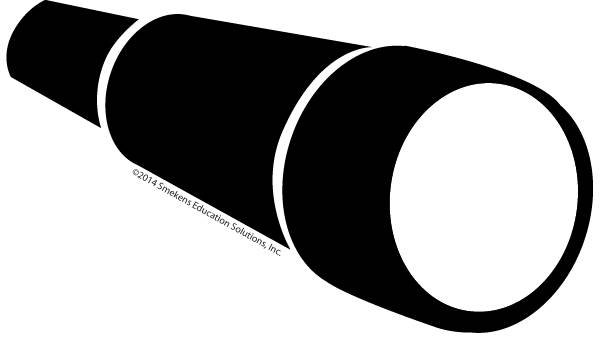
Phase 3 allows the reader to step back. The reader changes his lens from zooming in (i.e., microscope) and looking at only this text to zooming out (i.e. telescope) and considering it in light of others.
This phase may include:
- Comparing this text to another one on a similar topic or theme.
- Synthesizing this information with what was learned from other texts previously read.
- Analyzing the impact of this text on the broader world.
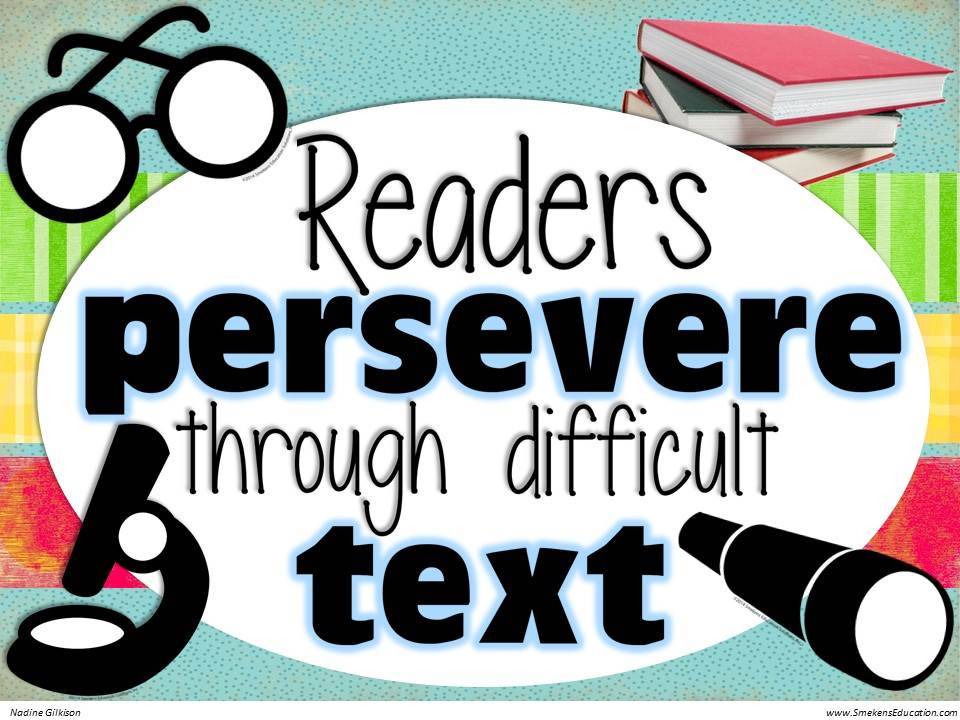
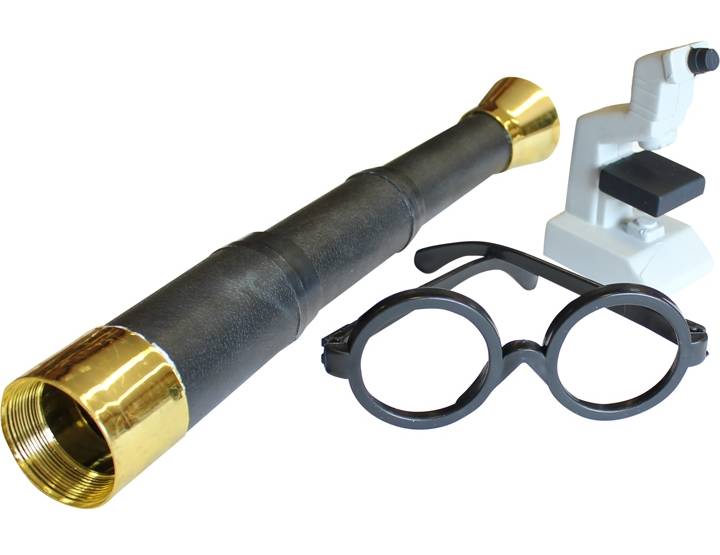 Introduce each of the three phases of close reading and their reading purposes using this mini-poster. Further explain that, after achieving such a deep understanding, students will likely communicate their new thinking within written responses.
While close reading can be highly beneficial, the 3-phase framework is not always implemented. It is primarily used for texts that demand a deeper level of understanding where the sacrifice of class time is worth the in-depth analysis.
Teacher comments:
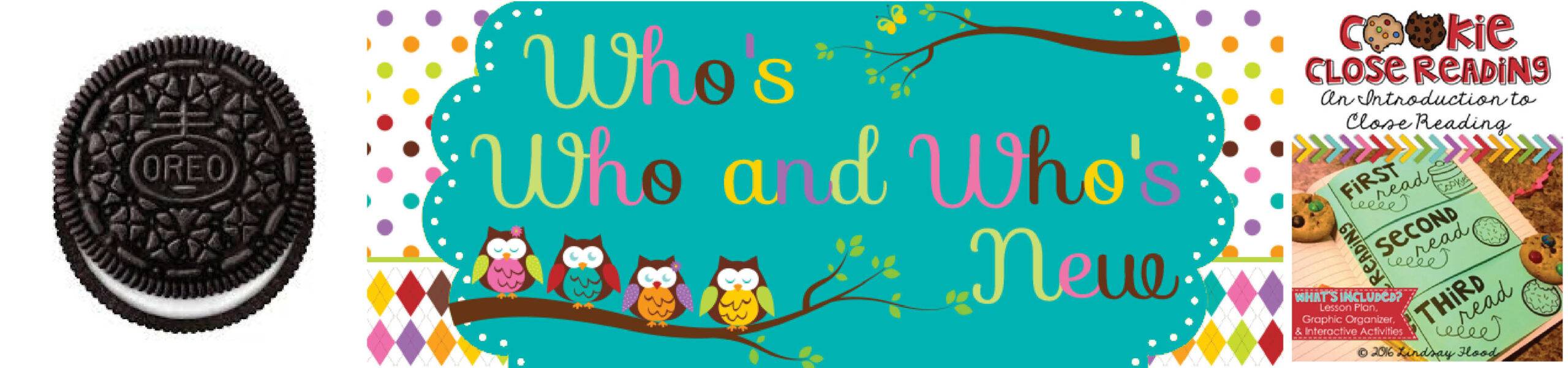
Teacher Lindsay Flood developed a fabulous close-reading activity using Oreo cookies to demonstrate the value in “reading” something more than once. For a description of the lesson, check out second-grade teacher Allison Stuckey’s blog Who’s Who and Who’s New. For the digital download, see Lindsay’s TpT store.

[Reading]
Plan & ask text-dependent questions
[reading]
Identify text worthy of a close reading
[Reading]